How Drones Are Transforming Cadastral Survey Processes

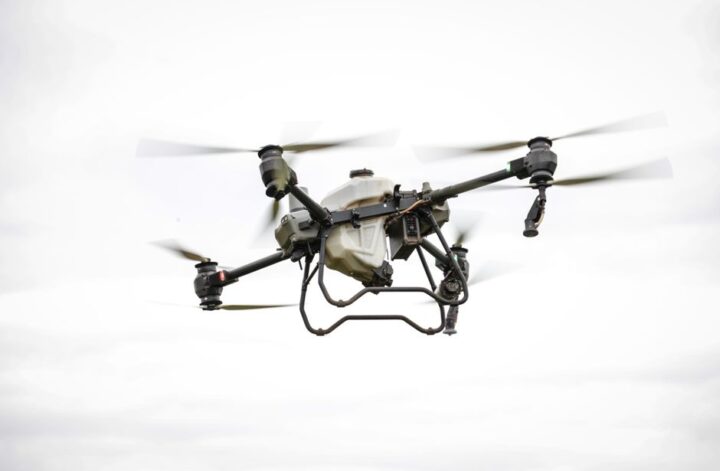
A drone flying over a landscape surveying land with high-resolution cameras and sensors.

A field that once relied on weeks of groundwork and manual measurements now looks very different: drones are reshaping how professionals conduct cadastral surveys. High-resolution cameras and advanced sensors have opened up new possibilities, offering both speed and precision that weren’t possible with traditional land surveying tools.

Faster, More Accurate Data Collection

Cadastral surveys are the backbone of property mapping and legal land boundaries. Traditional methods often require surveyors to access difficult terrain and collect thousands of points by hand. With drones used for cadastral surveys, data collection is vastly accelerated. A drone can fly over large areas in a fraction of the time, capturing detailed orthophotos and 3D models. The result: boundary lines drawn with centimeter-level accuracy and deliverables ready in days instead of weeks.

Surveillance Drones and Their Expanding Role

The surveillance drone is no longer just a tool for security or monitoring. In cadastral surveying, these drones offer unique advantages. Their onboard sensors can detect features not visible to the naked eye, and their flight patterns can be customized to suit the specific needs of each project. Whether mapping urban plots or tracking changes in rural landscapes, these drones provide high-frequency, reliable data essential for up-to-date cadastral records.

Commercial Drones Versus UAVs: What’s the Difference?

You might hear people use “UAV” (unmanned aerial vehicle) and “drone” interchangeably, but there are subtle differences in the context of land surveying. “Drone” commonly refers to the entire system, including sensors and ground control, while “UAV” is the flying airframe itself. Modern commercial drones used for cadastral and utility inspections integrate multiple payloads and software, making them more than just simple UAVs. For example, a commercial drone system might combine LIDAR, multispectral sensors, and real-time data streaming to tackle both mapping and inspection tasks in a single flight.

Innovation Behind the Scenes

Developing the technology that powers reliable drone inspection and mapping equipment requires extensive research and development. The R&D team at Acecore Technologies is a strong example of how innovation is driving the industry. They focus on improving flight stability, payload versatility, and data security, ensuring that today’s drones can handle the increasing demands of cadastral surveyors. Their work helps translate cutting-edge research into tools that are rugged enough for daily field use.

Choosing the Right Drone for Cadastral Work

Selecting a drone system for cadastral surveys involves balancing several criteria:

  • Accuracy of the onboard GNSS and camera systems
  • Flight time and coverage area per battery cycle
  • Compatibility with post-processing software for mapping
  • Durability and weather resistance for field conditions

For utility inspection or drone security roles, payload flexibility and data encryption also play bigger roles. Evaluating these features based on the specific needs of your projects is essential to getting the most value from your investment.

Where to Learn More About Professional Drone Surveying

For those interested in expanding their knowledge or taking their drone surveying practice further, resources on advanced mapping techniques and updates in drone regulations can provide the next step. Guides on commercial drone applications or insights from the R&D team at Acecore Technologies are especially valuable for staying at the forefront of this fast-changing field. Consider exploring an in-depth guide to drone mapping workflows or attending industry seminars to deepen your expertise.

Continue Reading

Effective Forestry Mapping Techniques with UAVs

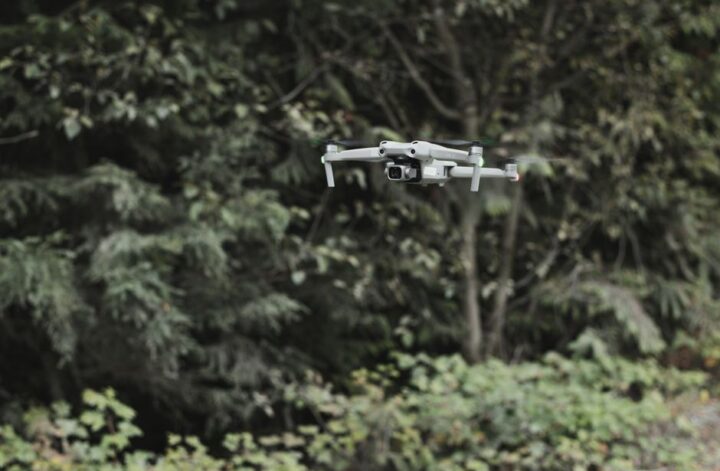
Aerial view of a dense forest with a UAV capturing data for forestry mapping.

Forestry management has evolved significantly with the integration of advanced aerial technologies, notably the use of unmanned aerial vehicles (UAVs). These tools have transformed how professionals approach the complex task of forestry mapping, enabling more precise data collection, efficient monitoring, and better decision-making. Among these technological advancements, forestry mapping drones have become indispensable assets for environmental scientists, forest managers, and conservationists aiming to maintain sustainable ecosystems while optimizing resource use.

The Role of UAVs in Modern Forestry Mapping

UAVs offer a unique vantage point that traditional ground surveys cannot match. Their ability to cover vast and often inaccessible forest areas quickly and with high-resolution imaging provides invaluable data for mapping forest health, species distribution, and terrain conditions. Unlike manned aircraft or satellite imaging, UAVs deliver real-time data with exceptional detail, allowing for timely interventions and resource allocation.

Moreover, UAVs integrate various sensors, including multispectral, thermal, and LiDAR, enhancing data richness. This versatility makes them suitable for diverse forestry applications such as biomass estimation, fire risk assessment, and habitat monitoring. The technology’s growing sophistication continues to push the boundaries of what is achievable in forestry surveillance and ecological research.

Choosing the Right Equipment for Forestry Mapping

To maximize the benefits of UAVs in forestry, selecting the appropriate drone platform is critical. Professional UAVs from Acecore are designed to meet the rigorous demands of commercial forestry operations. These units feature robust build quality, extended flight times, and advanced sensor compatibility, enabling comprehensive data collection across challenging environments.

When evaluating UAV options, factors such as payload capacity, flight endurance, sensor integration, and ease of operation must be considered. Professional-grade drones often provide enhanced stability and precision, which are essential for generating accurate forestry maps. Additionally, reliability in adverse weather conditions and the ability to execute automated flight plans contribute significantly to operational efficiency.

Key Techniques in Forestry Mapping Using UAVs

  1. Pre-Flight Planning: Effective mapping begins with detailed mission planning, including defining geographic boundaries, flight altitude, and sensor settings to optimize data quality.
  2. Data Acquisition: UAVs execute systematic flight patterns such as grid or double-grid missions to ensure comprehensive coverage and overlap for accurate photogrammetry.
  3. Sensor Utilization: Employing multispectral cameras helps in assessing vegetation health, while LiDAR sensors capture precise topographical data, even beneath canopy cover.
  4. Data Processing: Post-flight, specialized software processes images and sensor data to create 3D models, orthomosaics, and vegetation indices critical for decision-making.
  5. Analysis and Reporting: The final step involves interpreting the processed data to identify areas of concern such as disease spread, illegal logging, or fire hazards, facilitating timely interventions.

Comparing UAVs and Traditional Drones in Forestry Applications

The terms UAV and drone are often used interchangeably, but understanding their distinctions can clarify their roles in forestry. A UAV refers specifically to an unmanned aerial vehicle capable of autonomous flight or remote control, whereas “drone” is a more generic term that encompasses all types of unmanned aerial systems.

In forestry mapping, professional UAVs offer superior stability, payload versatility, and flight precision compared to many consumer-grade drones. These attributes are vital for consistent data quality and operational reliability, especially when conducting complex tasks such as drone inspection and drone utility inspection of forest infrastructure like power lines and access roads.

Furthermore, leveraging commercial drones with advanced capabilities allows forest managers to integrate drone security measures, ensuring that sensitive environmental data and assets remain protected during surveillance operations.

Expanding Applications Beyond Mapping

While forestry mapping remains a primary application, UAV technology extends into other critical areas:

  • Surveillance drone operations: Monitoring wildlife, detecting poaching activities, and overseeing forest conservation zones.
  • Drone inspection: Assessing health and stability of forest roads, bridges, and other infrastructure.
  • Drone utility inspection: Inspecting power lines and pipelines traversing forested areas to prevent environmental hazards.
  • Drone security: Enhancing the protection of valuable timber resources and sensitive ecological sites from unauthorized access.

Harnessing UAV Innovation for Sustainable Forestry Management

The integration of UAV technology into forestry mapping represents a significant leap forward in environmental stewardship and resource management. By utilizing forestry mapping drones alongside professional UAVs from Acecore, forestry professionals can achieve unparalleled accuracy and efficiency. These advancements not only facilitate better monitoring and protection of forest ecosystems but also support sustainable practices that balance economic and ecological objectives. As UAV technology continues to evolve, its role in forestry will undoubtedly expand, driving innovation in conservation and commercial forestry alike.

Continue Reading

Benefits of Using a Comfortable Dog Harness

Een hond die een comfortabele tuig draagt tijdens een wandeling in het park, met aandacht voor veiligheid en comfort.

Introduction to Dog Harnesses

Choosing the right equipment for your dog is essential for their safety, comfort, and overall well-being. Among the many dog accessories available today, a comfortable dog harness stands out as an excellent alternative to traditional collars. Not only does it provide better control during walks, but it also reduces strain on your dog’s neck and shoulders. Many pet owners who explore options on sites like dukeandscoop.com find that investing in a well-designed dog harness greatly enhances their pet’s walking experience.

Enhanced Safety and Control

One of the primary benefits of using a dog harness is the increased safety it offers. Unlike collars that apply pressure around the neck, harnesses distribute the force across the chest and shoulders, minimizing the risk of injury, especially for dogs prone to pulling. This distribution helps prevent choking and reduces the likelihood of damage to the trachea or cervical spine.

Additionally, harnesses provide better control over your dog’s movements. This is particularly helpful for training purposes or for managing dogs who tend to be excitable or reactive. Harnesses with front-clip attachments can discourage pulling by redirecting the dog’s attention back toward the owner, making walks more pleasant and manageable.

Comfort and Fit for Every Dog

Comfort is a crucial factor when selecting a dog harness. A harness that fits well will prevent chafing, rubbing, and discomfort, encouraging your dog to wear it without resistance. Many harnesses are designed with padded straps, breathable materials, and adjustable fittings to accommodate various body shapes and sizes.

  • Adjustable straps ensure a snug but comfortable fit, allowing room for movement without slipping off.
  • Soft, breathable fabrics reduce heat buildup and skin irritation during long walks or outdoor activities.
  • Ergonomic designs support natural movement, avoiding restriction in the shoulder and leg areas.

Comfortable harnesses are especially beneficial for puppies, senior dogs, and breeds with delicate necks or respiratory issues.

Supporting Training and Behavior Management

Using a harness can be an effective tool in dog training and behavior management. Harnesses offer better control for teaching your dog how to walk politely on a leash, reducing pulling and lunging behaviors. Some harnesses come with multiple leash attachment points, allowing owners to experiment with different training techniques.

Moreover, a harness can serve as a gentle reminder for your dog to stay calm and focused during walks. By preventing sudden jerks and providing steady control, it helps reinforce positive walking habits while keeping both dog and owner safe.

Additional Benefits for Active and Travel-Friendly Dogs

For dog owners who enjoy outdoor activities or travel, a comfortable harness is an invaluable accessory. It can be used in conjunction with pet travel accessories to secure your dog in vehicles, providing protection in case of sudden stops or accidents. Harnesses also facilitate safe attachment to pet GPS trackers, ensuring your dog’s safety during hikes or explorations.

Furthermore, many harnesses are compatible with other dog accessories such as anti-bark collars and dog toys, enhancing the overall experience for both pets and owners.

Why a Comfortable Dog Harness is a Smart Investment

Investing in a comfortable dog harness is a decision that benefits both the pet and the owner. It promotes better health by reducing the risk of injury, supports effective training, and enhances comfort during daily walks or longer adventures. With the wide variety of options available today, including those found at worldwide pet shops like dukeandscoop.com, pet owners can find harnesses tailored to their dog’s specific needs and lifestyle.

Enhancing Your Dog’s Life Step by Step

Ultimately, a comfortable dog harness is more than just an accessory—it is a tool that fosters a stronger bond between you and your dog while promoting safety, comfort, and well-being. By choosing the right harness, you help ensure that your dog enjoys every walk and adventure with confidence and ease.

Continue Reading

Reviewing Digital Platforms for HR Needs

Understanding the Role of Digital Platforms in HR

As organizations grow and evolve, managing human resources effectively becomes increasingly complex. Digital platforms designed for HR purposes have become essential tools to streamline processes, enhance employee engagement, and improve overall workplace productivity. These platforms offer a wide range of features that address various HR functions, from communication to employee recognition. Among the many options available, MELP reviews highlight the importance of comprehensive solutions that integrate multiple aspects of employee management seamlessly.

Key Features to Consider in HR Platforms

When evaluating digital platforms for HR needs, businesses should focus on features that foster a productive and positive work environment. Some critical functionalities include:

  • Internal communication: Efficient communication channels within the company help keep employees informed and connected, reducing misunderstandings and promoting collaboration.
  • Employee recognition: Recognizing and rewarding employees’ efforts boosts morale and motivation, encouraging a culture of appreciation and high performance.
  • Personalised benefits: Offering tailored benefits based on individual employee preferences can increase satisfaction and retention.
  • AI automations: Automating routine HR tasks with artificial intelligence reduces administrative burden and allows HR teams to focus on strategic initiatives.
  • AI intranet chats: Intelligent chatbots embedded in company intranets provide instant support and answers to employee queries, improving responsiveness and accessibility.

Enhancing Internal Communication

A critical aspect of any HR platform is the ability to facilitate transparent and effective internal communication. Platforms that support real-time messaging, announcements, and discussion forums enable employees to stay engaged and informed. These tools also help HR teams disseminate important updates quickly and gather employee feedback efficiently. The integration of AI-powered chat features further enhances communication by providing personalized assistance around the clock.

Promoting Employee Recognition and Well-being

Employee recognition systems embedded within HR platforms play a vital role in maintaining motivation and job satisfaction. Recognizing achievements publicly or privately can foster a sense of belonging and loyalty. Additionally, platforms that focus on wellbeing initiatives — such as wellness programs, mental health resources, and personalized benefits — demonstrate a commitment to employee care, which can reduce turnover and improve overall workplace culture.

Leveraging AI for Operational Efficiency

The incorporation of AI automations within HR platforms allows organizations to optimize their workflows. Tasks such as scheduling, payroll processing, and performance tracking can be handled with minimal human intervention, reducing errors and saving time. AI intranet chats serve as a virtual HR assistant, answering frequently asked questions and guiding employees through administrative processes without delay. This use of AI technology improves both employee experience and HR department productivity.

Choosing the Right Platform for Your Organization

Before selecting a digital platform, it is crucial to assess the specific needs and goals of your HR department. Consider factors such as company size, existing technology infrastructure, and the level of customization required. Platforms that combine multiple features—internal communication tools, employee recognition, personalized benefits, and AI-driven capabilities—offer a comprehensive approach to managing human resources. MELP reviews often emphasize the advantage of integrated solutions that address various aspects of employee engagement and operational efficiency within a single system.

Charting the Future of HR Management

As technology continues to evolve, so too will the capabilities of digital HR platforms. Embracing these innovations allows organizations to foster a more engaged, motivated, and well-supported workforce. By carefully reviewing and selecting platforms with the right blend of communication, recognition, and AI features, companies can create a dynamic HR environment that meets the challenges of today and anticipates the demands of tomorrow.

Continue Reading

The Art of Tailoring: Custom Designs for Every Body

Tailoring is not merely a craft; it’s an art form that has evolved over centuries. As fashion trends change and personal styles emerge, the demand for custom designs has surged. In a world where individuality is celebrated, bespoke tailoring offers a unique solution. To fully appreciate this art, one might want to discover everything about Baindoux, which specializes in creating garments that fit perfectly and express personal style.

The Evolution of Tailoring

Historically, tailoring has roots that date back to the Middle Ages when clothing was handmade for nobility. Over time, it transitioned from a craft primarily for the elite to one that serves people of all walks of life. The 20th century brought significant changes, including the introduction of mass production. However, while mass-produced clothing offers convenience, it often lacks the personalized touch and perfect fit that custom tailoring provides.

The Benefits of Custom Tailoring

Custom tailoring offers a myriad of benefits, making it a worthwhile investment for anyone looking to upgrade their wardrobe. These advantages include:

  1. Perfect Fit: Unlike off-the-rack clothing, custom-tailored pieces are designed to fit the unique contours of your body.
  2. Personalization: You have complete control over the fabric, color, and design elements, ensuring that your garment reflects your personal style.
  3. Quality Materials: Tailors utilize higher-quality fabrics than those typically found in mass-produced garments, resulting in longer-lasting clothing.
  4. Timeless Style: Custom clothing can be designed to be both timeless and trendy, ensuring that you get wear out of it for years to come.

Getting Started with Custom Tailoring

Embarking on your custom tailoring journey can be a thrilling yet daunting experience. Here are some steps to guide you through the process:

  • Find a Reputable Tailor: Look for a tailor who specializes in custom designs and has a portfolio that aligns with your personal aesthetic.
  • Consultation: Schedule an initial meeting to discuss your needs, preferences, and budget. This is where you can communicate your vision.
  • Measurements: The tailor will take your measurements to ensure a perfect fit. Expect this step to include both unique measurements and standard ones.
  • Choices: Select fabrics and styles based on your personal taste and occasions for which the garment is intended.
  • Fittings: After the tailor constructs the initial piece, you will have fitting sessions to make adjustments until the piece fits flawlessly.

Understanding Different Tailoring Styles

Different types of tailoring styles cater to various tastes and needs. Here are a few options to consider:

  1. Classic Tailoring: This style is characterized by its structured silhouette and traditional cuts, often seen in formal attire.
  2. Liberal Tailoring: A modern approach that allows for more creativity and flexibility in design. This is great for casual or avant-garde pieces.
  3. Relaxed Tailoring: Focuses on comfort and ease, using looser fits and softer fabrics, ideal for everyday wear.

Maintaining Your Custom Clothing

To ensure your custom garments last, proper care is vital. Here are some tips for maintaining your tailored pieces:

  • Dry Cleaning: Many custom-made garments require dry cleaning rather than regular washing to maintain their structure and appearance.
  • Storage: Store heavy garments on wooden hangers to prevent distortion, and keep clothes in a cool, dry place.
  • Regular Maintenance: Schedule periodic adjustments as your body changes or as styles evolve, ensuring that your custom pieces remain looking their best.

The Journey to Self-Expression

Custom tailoring is more than just clothing; it’s a statement of individuality and self-expression. Each piece narrates a story about the person wearing it. Engaging in this art form allows you to showcase your unique personality while celebrating the craftsmanship involved. By choosing custom designs, you not only enjoy the perfect fit but also contribute to a more sustainable fashion model—one that values quality and individuality over quantity.

Continue Reading

A shopping experience that puts sustainability and health first

ai-generated-8881560_640

Healthy and sustainable living is a priority for many people these days. More and more consumers are consciously choosing organic and sustainable products to contribute to a better environment and improve their health. Green Zebra Grocery responds to this perfectly with an extensive range of responsible products and a unique shopping experience that makes an impact both locally and globally. With a focus on transparency, customers learn not only where their food comes from, but also how their purchases can make a difference.

Organic and sustainable products at Green Zebra Grocery

Green Zebra Grocery is known for its wide range of organic and sustainable products. From fresh produce such as fruits and vegetables, to artisan sandwiches and dairy products, everything in the store is carefully selected to meet high ecological and quality standards. The supermarket not only offers organic products, but also focuses on sustainability in packaging and production chain. Green Zebra Grocery in Rotorua has truly established itself as the place for responsible shoppers who want to make conscious choices without sacrificing taste and quality. Their focus on sustainability means they strive to minimize their carbon footprint, which benefits both the local community and the planet.

Learning about the origin of products

For those who would like to learn more about where their products come from, Green Zebra Grocery offers several opportunities to gather information. The store takes an innovative approach to making the origin of products understandable to customers. For example, there are interactive information panels throughout the store where customers can learn more about the farmers, producers and production methods used. In addition, the store offers regular workshops and presentations where experts talk about organic farming and sustainability. This makes Green Zebra Grocery not only a place to shop for groceries, but also to be informed about the products you buy.

An engaged store team

What also sets Green Zebra Grocery apart is the engaged team of employees who are always ready to help customers with all their questions. From suggestions on products to information on how to live more sustainably at home, the team at Green Zebra Grocery makes sure every customer feels welcome and informed. The staff has extensive knowledge of the assortment and is trained to help customers find the best products for their needs, whether it’s someone with specific dietary requirements or someone looking for tips on how to live more environmentally friendly.

Opening hours and location of Green Zebra Grocery

Centrally located in Rotorua, Green Zebra Grocery is easily accessible to both locals and tourists looking for high-quality, sustainable products. The store has wide opening hours, making it easy for customers to shop for groceries on their own time. Whether you want to store early in the morning or prefer to stop by after work, Green Zebra Grocery offers flexibility with its customer-friendly schedule. The store is located in a lively part of Rotorua, making it ideal for a visit during a day trip or weekend getaway.

Making a positive impact on the local community

In addition to offering high-quality organic and sustainable produce, Green Zebra Grocery actively contributes to the local community. The store works closely with local farmers and producers to ensure the community benefits from fresh, locally grown produce. By supporting local suppliers, Green Zebra Grocery helps to strengthen Rotorua’s economy and contribute to a more sustainable food system. In addition, the store participates in various initiatives and charitable projects in the area, extending their impact beyond just the food products they sell.

Responsible choices for the future

Customers who store at Green Zebra Grocery are not only making responsible choices for today, but also for the future. The store has a clear vision to bring sustainability and health together in one shopping experience. By choosing organic and sustainable products, customers help increase the demand for responsible production and help reduce pollution and food waste. Green Zebra Grocery demonstrates that it is possible to offer high quality products while considering the environment.

Green Zebra Grocery, your sustainable shopping destination

Green Zebra Grocery offers much more than groceries; it provides a complete experience for customers who want to put sustainability and health at the center of their lifestyle. By offering a wide range of organic and sustainable products, providing workshops and information on product sourcing, and having an engaged team on hand, Green Zebra Grocery is at the forefront of responsible shopping in Rotorua. With its central location and wide opening hours, it is an accessible place for anyone who wants to make conscious choices for themselves and the planet.

Continue Reading

Airdrie’s weather elements

heaven-2627906_640

A charming city with a rich history, Airdrie is known for its unique climate that evolves throughout the year. Understanding the average temperature and precipitation patterns can help not only in planning daily activities, but also in making long-term plans, such as vacations or gardening projects. The weather in Airdrie changes through the seasons, with each season having its own characteristics and surprises. Knowing these patterns offers residents and visitors valuable insights into what to expect during their stay in this beautiful region.

Seasonal temperature patterns

Temperatures in Airdrie vary considerably throughout the seasons. In the winter months, temperatures can drop to around -5°C on average, making for a cold and sometimes snowy landscape. Spring brings mild temperatures ranging from 5°C to 15°C, marking a period of renewal and growth. The summer months in Airdrie are pleasantly warm, with average temperatures ranging from 15°C to 25°C, which is ideal for outdoor activities. Autumn cools to an average of 5°C to 15°C, with a colorful backdrop of falling leaves.

Precipitation patterns in winter

Winter in Airdrie brings not only cold but also a significant amount of precipitation. On average, there is about 60 mm of precipitation per month during the winter months, often in the form of snow. This snow cover can vary depending on specific winter conditions, but adds to Airdrie’s beautiful winter atmosphere. It is a good idea to be prepared for winter conditions by considering appropriate clothing and winter tires for vehicles.

Spring

Spring in Airdrie is a time of transition, with increasing temperatures and changing precipitation patterns. On average, Airdrie receives about 40 mm of precipitation per month in the spring, which consists mainly of rain, although occasional snow showers are possible. The mild temperatures and moderate precipitation promote the blooming of flowers and germination of plants, making it a great time for gardening and outdoor activities. The transition from winter to spring offers a refreshing contrast and makes Airdrie attractive to nature lovers.

Summer

Summer in Airdrie is generally warm and relatively dry. Average precipitation during the summer months is about 30 mm per month, often in the form of light showers or brief rain storms. The higher temperatures of summer make it a popular time for outdoor activities such as hiking, biking and festivals. The longer days and sunny weather contribute to a lively atmosphere in the city and provide plenty of opportunities to enjoy the surroundings.

Autumn

Autumn in Airdrie brings a combination of cool temperatures and increasing precipitation. On average, there is about 50 mm of precipitation per month in autumn, mostly as rain. Temperatures drop to an average of 5°C to 15°C, making for a comfortable, cool atmosphere. Autumn is also the season of beautiful coloring leaves and a good time to enjoy the natural landscape. The change in precipitation and temperature makes autumn a unique season in Airdrie, perfect for a quiet walk in nature.

Annual averages and climate overview

The annual weather in Airdrie shows a temperate climate with distinct seasonal variations. Average annual precipitation is about 500 mm, distributed throughout the year with the highest amounts in autumn and winter. The average annual temperature is around 10°C, with marked differences between the seasons. This diverse climate creates a variety of weather conditions that make each season unique. Knowing these average patterns helps residents and visitors be better prepared for what Airdrie has to offer each season.

Conclusion

Understanding the average temperature and precipitation patterns in Airdrie provides valuable information for anyone living in or visiting the region. Each season brings its own unique weather conditions, from cold winters and snow to hot, dry summers. By knowing these patterns, residents and visitors can better adjust their plans to weather conditions and enjoy all that Airdrie has to offer to the fullest.

Continue Reading

Why Not Try A Sea Kayaking Vacation?

Is it true that you are searching for something exceptional and animating for your next family get-away? Something energizing which you can encounter together? In the event that that sounds accurate, at that point you may consider an ocean kayaking trip as a family get-away. Consistently, more families are searching for an outside action which can offer some component of fervor and disclosure, just as physical exercise and experience. Ocean kayaking has this and significantly more to bring to the table to your family.

This sort of excursion takes you straightforwardly outside, to places without clamor, contamination, engines – just you the undulating of water, flawless sea shores blossoming blossoms, mountain tops and a periodic overhead winged animal. The experience is pleasant for all ages and the family will be bringing home recollections of a lifetime.

You may wind up wandering between restricted curving fjords, ice sheets, mangroves and sentimental streams. With the chance to watch natural life, for example, dolphins, whales and turtles very close. These creatures will be similarly as inquisitive about you, as you are about them. At that point once on shore, there will be considerably more open doors for one of a kind family excursion encounters, for example, scuba jumping, windsurfing, swimming, climbing or simply unwinding on a sandy sea shore absorbing the warm sun. Quant towns which are ideal for touring eating and shopping are basic in places which are mainstream for ocean kayaking. Some top ocean kayaking objections are Chile, Baja, Canada and Alaska.

Every family has a wide scope of decisions in objective and term for trips. For instance, a basic three evenings, two roadtrip versus a ten night, nine roadtrip. Think about the age of the kids along on the outing when planning the excursion however, some littler youngsters will most likely be unable to ‘improvise’ for extremely long. Or on the other hand your youngsters might be quick to go for a more drawn out ocean kayaking excursion.

Continue Reading

A Sea Kayak Trip Can Be an Adventure

Most experienced kayakers like to extend their wings and go on an assortment of kayaking trips that test their metal. Notwithstanding, an ocean kayak trip is one that is more energizing than most. The adrenalin streams when you get out on the vast water and oar along a coastline. What’s more, an ocean kayak will permit you to bring along a considerable amount of apparatus without trading off the gravity of your specialty. In the event that you are searching for something else to do and you own an ocean kayak, it’s an ideal opportunity to design an ocean kayak trip.

The primary thing you have to do is choose where you need to go and how long you need your excursion to last. Utilizing a guide and nautical diagrams, you can design a straightforward roadtrip or one that endures a whole week. A normal roadtrip will permit you to cover around 20 miles, rowing at around three miles for every hour. That implies you can get around seven hours of rowing in while as yet having the opportunity to stop and investigate the coastline or have a cookout on the sea shore. In the event that you need to go on a more extended outing, you can paddle around 100 miles in a multi day time span without wearing yourself out and keeping in mind that actually getting a charge out of the coastline and outdoors short-term.

Since you will go with the majority of your rigging stuffed and you truly don’t have any desire to go with any extra, it is a smart thought to know ahead of time where there is a marina or town along the coastline so you can get crisp drinking water and food supplies. You should pack for the anticipated climate also. On the off chance that you know where these towns and marinas are, you additionally have a spot to remain in the occasion the climate turns frightful and you need to go to land.

Continue Reading