Imagine a production line where every component is tracked in real time, defects are spotted instantly, and adjustments happen without delay. This is the reality for manufacturers who rely on advanced vision camera systems. By integrating state-of-the-art imaging products, lenses, lighting, and robust software, production lines become more efficient, accurate, and adaptable to changing demands.
How vision cameras transform production line oversight
Quality control has long been a challenge in manufacturing, where even minor errors can disrupt entire workflows. A complete vision camera system for production lines gives you the tools to monitor processes continuously, ensuring every product meets strict standards. These systems use high-resolution industrial cameras paired with precision lenses and controlled lighting to capture detailed images at each stage. Combined with software capable of real-time analysis, issues like misalignment, missing components, or surface defects are detected within milliseconds, enabling fast corrections and reducing waste.
The role of imaging products and lighting in accuracy
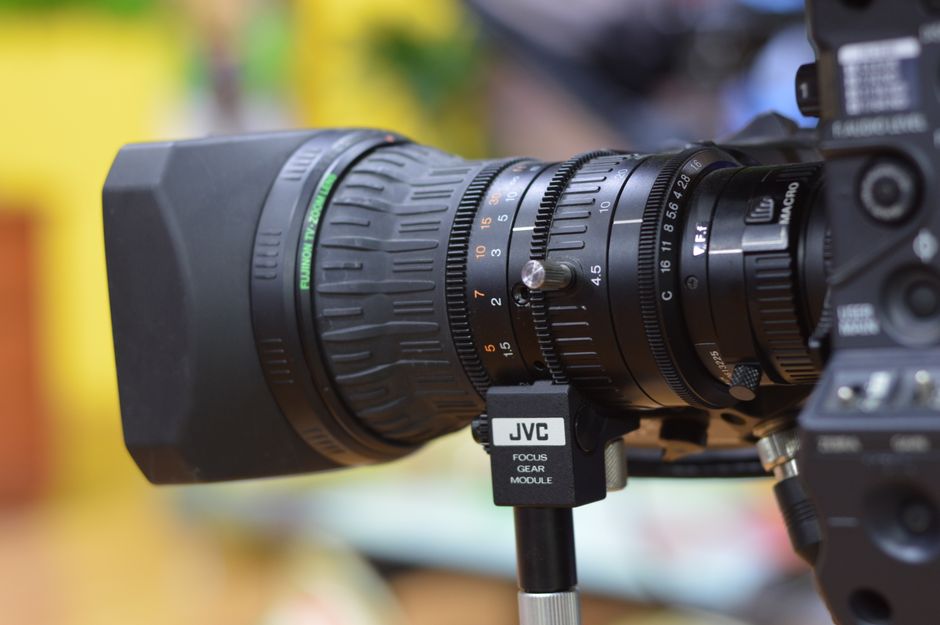
Clear, reliable imaging depends on more than just the camera itself. Selecting the right combination of imaging products, including custom lenses and calibrated lighting, is essential for capturing the data needed for accurate inspection. For example, specific wavelengths of LED lighting can highlight surface scratches or inconsistencies that standard lighting would miss. Adjustable lens options allow for fine-tuning focus and field of view according to the specific requirements of each product line. This tailored approach ensures that the vision system provides actionable, high-quality data under varying production conditions.
Software innovation drives smarter automation
Modern machine vision software has evolved to offer advanced features such as pattern recognition, predictive analytics, and seamless integration with broader factory automation systems. These tools handle more than just basic pass-fail inspections. Some solutions identify evolving trends in defect types, anticipate equipment maintenance needs, and adapt to new products introduced on the line without major reprogramming. By analysing large volumes of image data in real time, the software minimises downtime and supports continuous improvement initiatives.
- Real-time defect detection
- Automated sorting and rejection of faulty items
- Data logging for traceability and compliance
- Integration with robotics and conveyor systems
Choosing the right system for your operation
Every manufacturing environment presents unique challenges. Factors such as speed, product size, environment, and required inspection precision influence the selection of vision cameras, lenses, and software. Engaging with a provider who offers a full suite of imaging solutions, comprehensive support, and field-proven expertise is critical. VA Imaging, for example, supplies high-performance machine vision cameras, a versatile array of lenses, and custom lighting options, all backed by advanced software and technical support tailored to industrial needs.
Where to learn more about advanced vision systems
Getting the best results from a vision camera system depends on matching technology to your specific production goals and environment. To dive deeper into the available solutions, like lighting selection, camera specifications, or integration with existing automation, look for specialist guides or reach out to sector experts. Resources comparing the latest developments in machine vision technology can help you make a confident, informed choice before your next investment.